
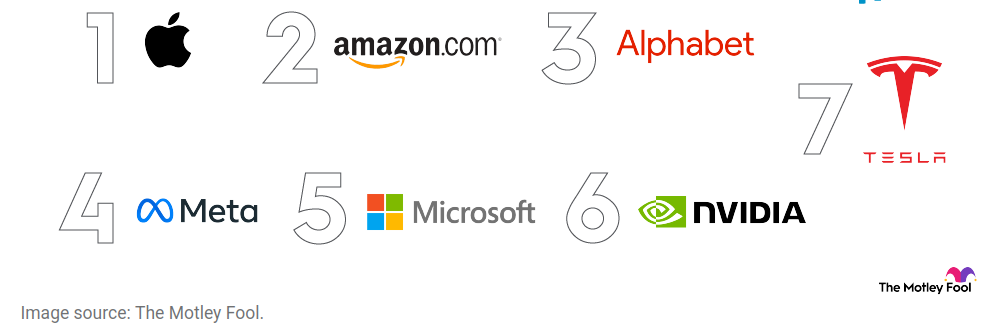
Last year I wrote about the Magnificent 7 stocks and the dependence of the US stock market upon them. At that point they accounted for 31% of the value of the S&P500. Now it is 35%. Let’s have a look at them:
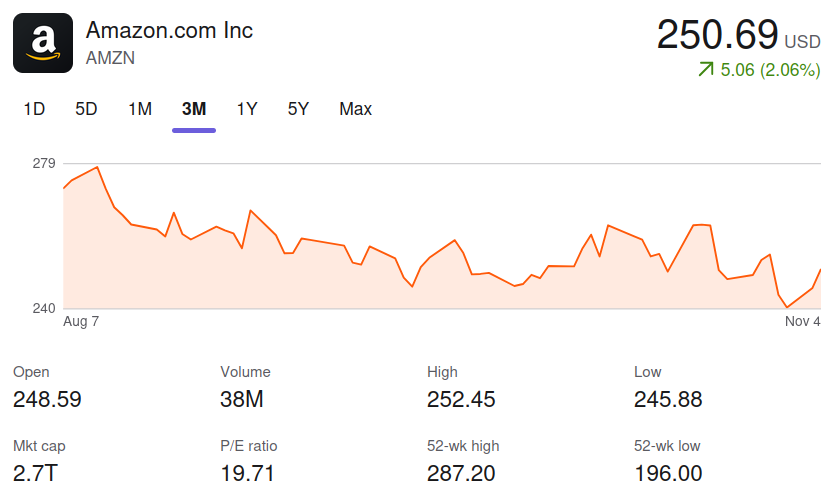
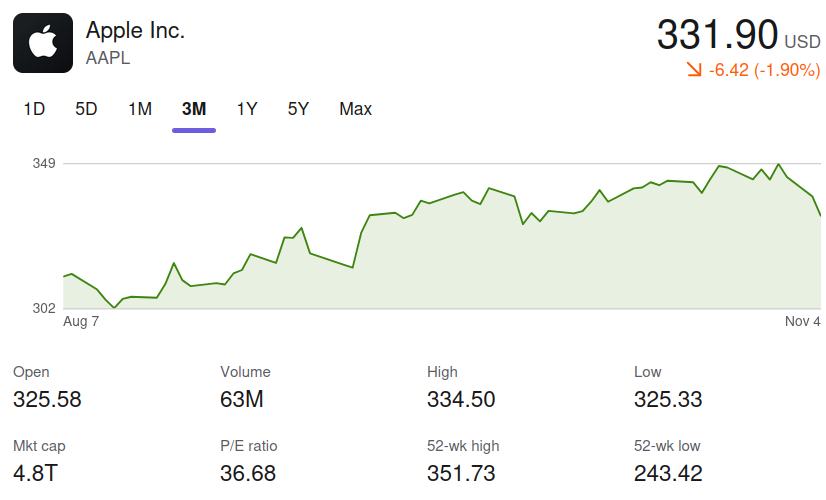
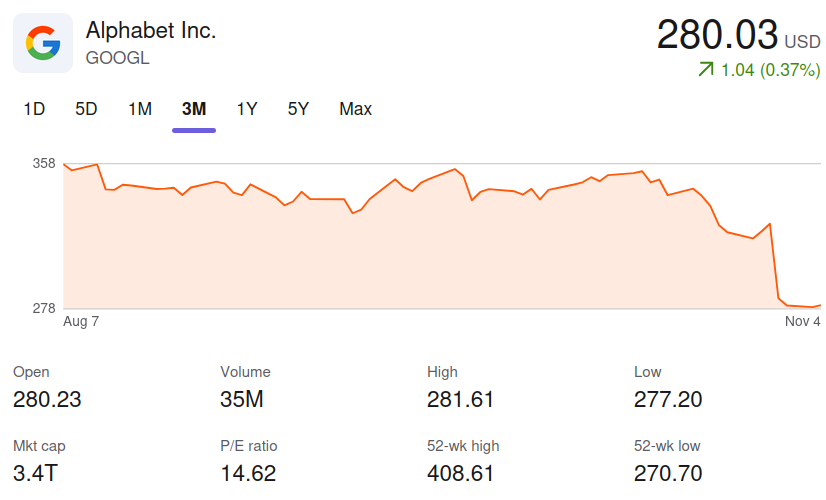
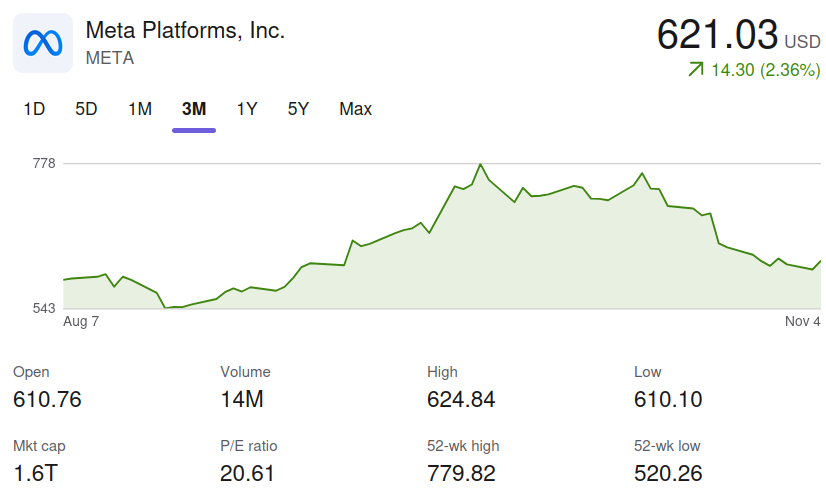
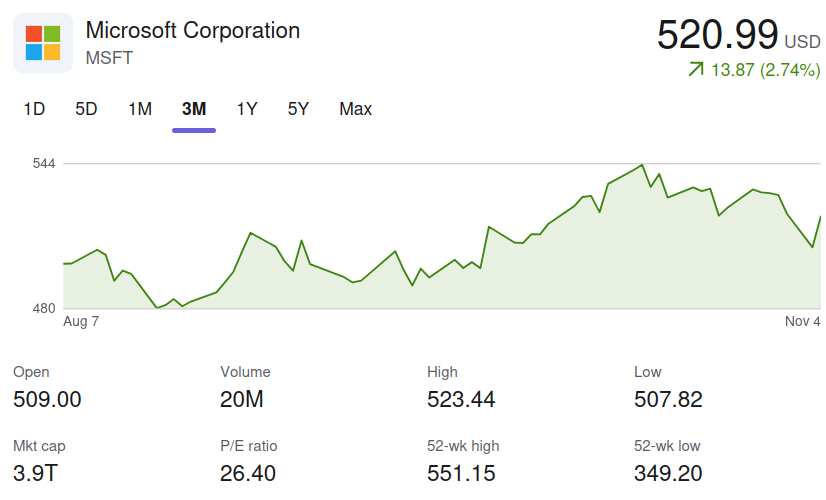
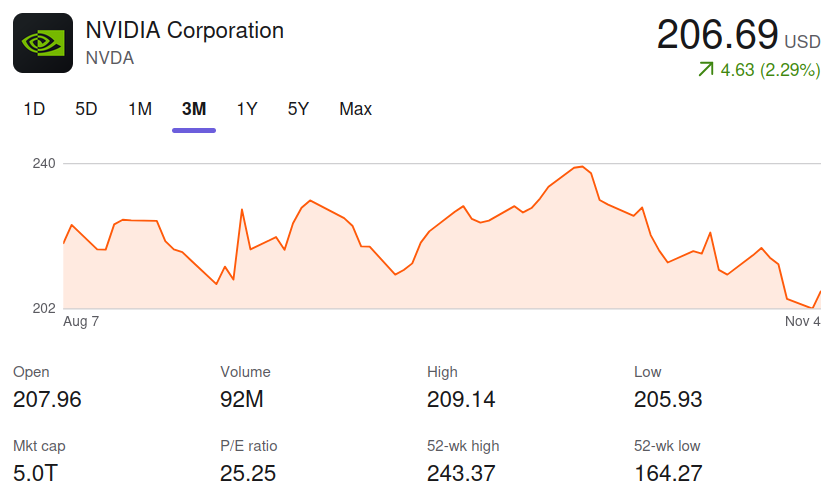
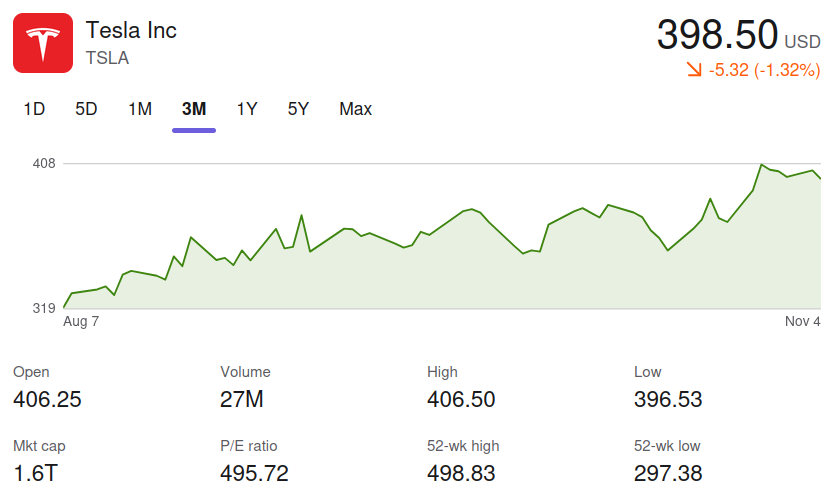
It’s a mixed picture, but Apple, Alphabet (Google), Meta (Facebook) and Nvidia (the one that props them all up) all look like they might be in a little bit of trouble.
The FT would rather you focus on this picture of the stocks:
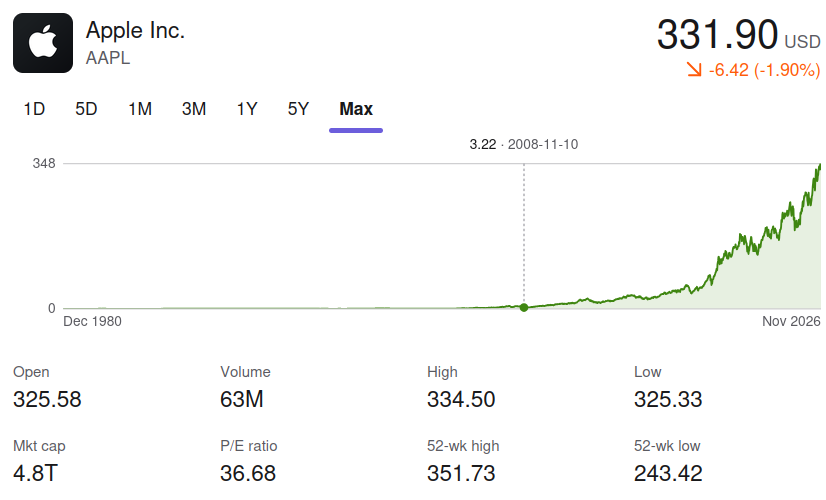
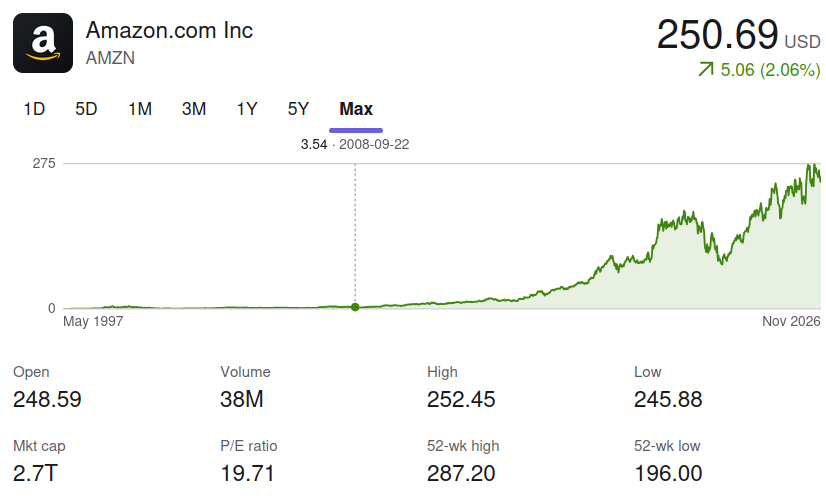
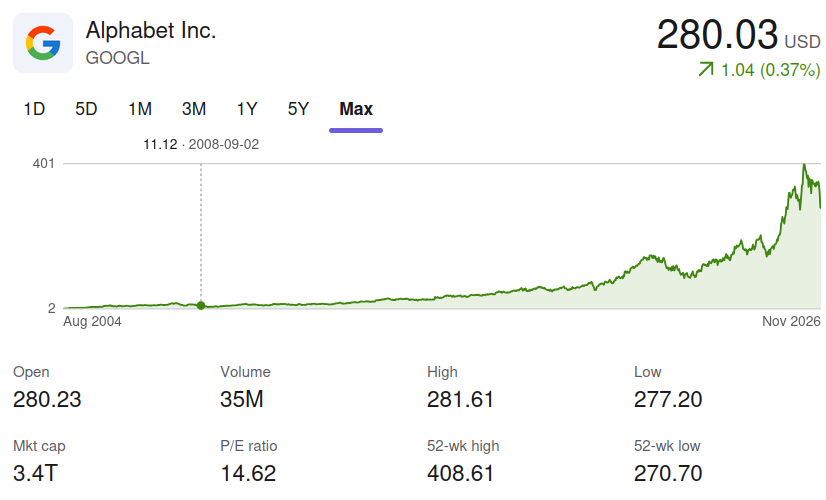
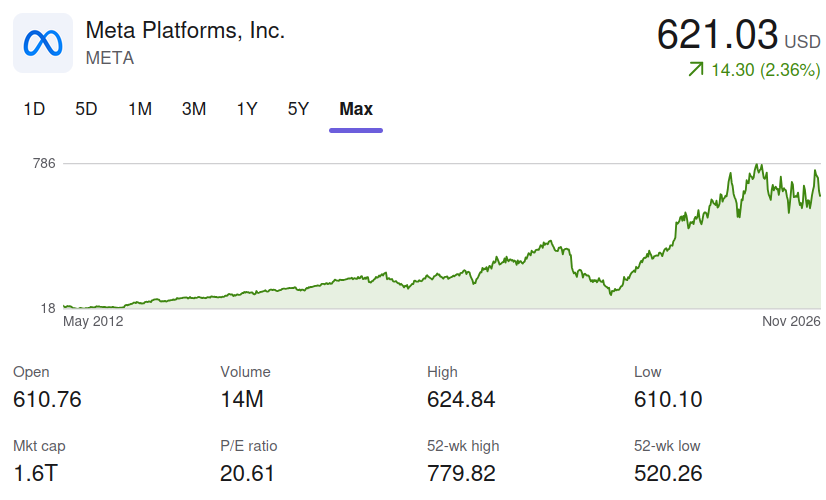
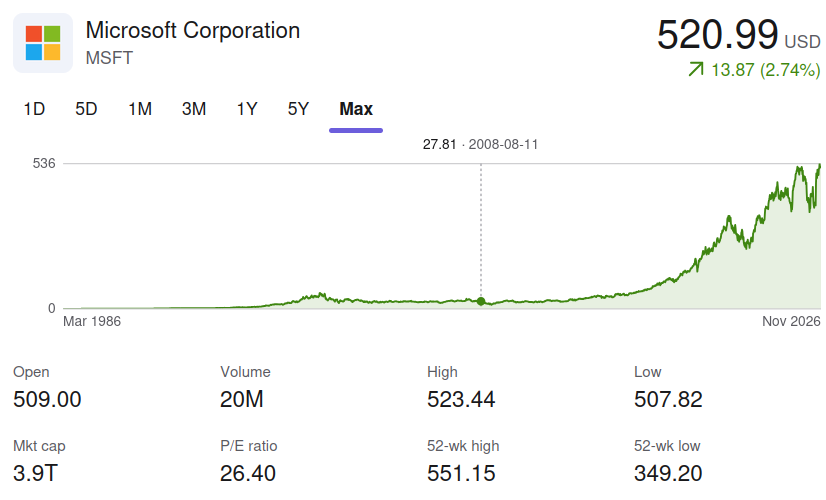
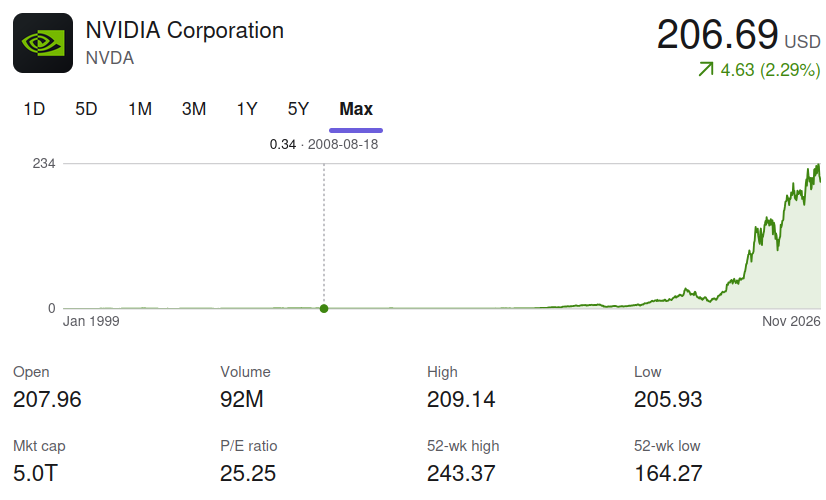
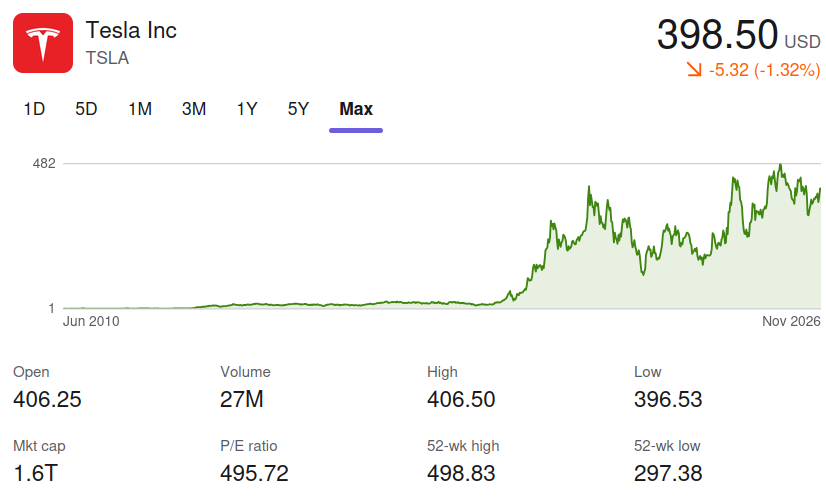
But even these have stopped looking like the invincible J-curves of last year. To be sure, Tesla’s progress has always been fairly bumpy, but Meta are now looking like a stock which has moved from J-curve to S-curve. And the next stage would be when investors start to question the current price to earnings ratio of over 20. To do this they tend to use something called a PEG ratio (ie the price to earnings ratio divided by expected growth in earnings per share). The rule of thumb is that, if the PEG ratio is more than 1, it is over-valued. So if Meta are expected to deliver less than 20% growth in earnings per share this year, that would make them a sell. And then a whole different curve shape beckons.
But to return to the charts, notice that I mischievously highlighted 2008 in all of them where the company was going then. 2008 sure looks like the starting gun for most of them.
What has economic life been like for most people in the UK over that now nearly 20-year period? Here’s one more graph for you:
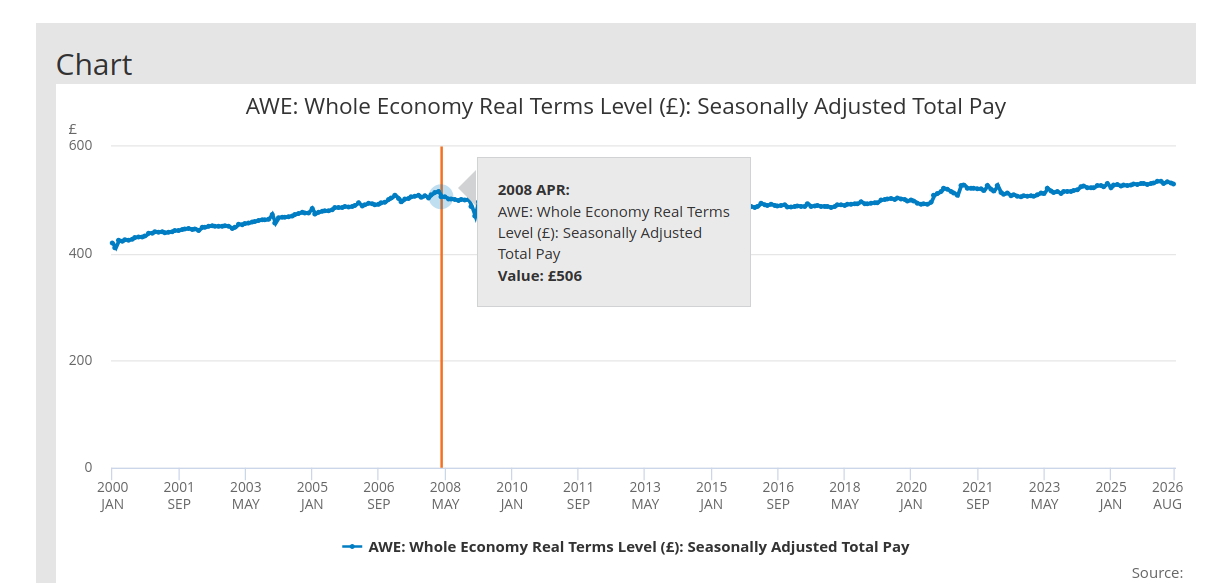
My that’s flat, isn’t it? That’s why so many people are feeling flat at the moment. That’s why we’ve had 7 prime ministers (our Magnificent 7) since the Brexit vote in 2016. That’s why we’re squabbling about immigration and the “welfare” budget. That’s why there are riots and looting in France and Germany. We are all just rats in a sack while the Magnificent 7 worry about their J-curves coming to an end.
That situation is no more sustainable than the AI bubble.
This morning Adam Tooze is blearily asking (after staying up all night watching the midterms) After the midterms: How does America come down from Trump’s “speedball economy”? In it he summarises neatly how Trump lost them:
Trump has licensed unfettered corporate profiteering and growthmanship. With an added dash of corruption these are a turnoff for the majority of Americans who do not follow the stock market with baited breath. The broligarchs may be popular with a minority of hyped-up stock bros, but in broader terms they are despised.
However he also acknowledges the following:
So, we have been living in a weird and distorted world, with an administration delivering dramatic policies that pull in the opposite direction from voter preferences. If we assume that Congress will now develop a spine and MAGA is lameduck, then the question becomes: how do these tensions unwind and how that unwinding might shape the next few years? After all, the tensions, distortions and contradictions are not confined to the President and his MAGA entourage. Trump’s speedball economy has enlisted powerful interests across the country and the Democratic camp itself has been deeply implicated in both domestic and foreign policy terms.
So a slightly less larcenous politics will be difficult to return to, for everyone, but this is perhaps the necessary first step. Perhaps someone has found a way to nibble a hole in a corner of the sack.
The Magnificent Seven had three sequels. I am sure all of us sincerely hope that I do not need to write any further blogs called Guns of the Magnificent Seven or, even worse, The Magnificent Seven Ride! As David Allen Green has pointed out this lunchtime, the larcenous are very good at stitching sacks closed again. Let’s not let them this time.